Thank you! Check out the directory below.
HBCU NOW | THE VOICE OF HBCUs.
HBCU DIRECTORY
DISCOVER EVERY HBCU IN AMERICA
Explore profiles for all 100+ accredited Historically Black Colleges and Universities — search by name, state, type, program, and more.
INTERACTIVE HBCU MAP
FIND AN HBCU NEAR YOU
Every accredited HBCU in the United States is pinned on the map below. Click any pin to see the school name, city, state, founding year, and a direct link to its full profile.
ALL HBCUs
EXPLORE THE FULL HBCU DIRECTORY
Browse all 100+ Historically Black Colleges and Universities. Filter by state, institution type, enrollment size, or program area to find your best match.
HBCU PROFILE
HOWARD UNIVERSITY
Founded 1867 · Washington, D.C.
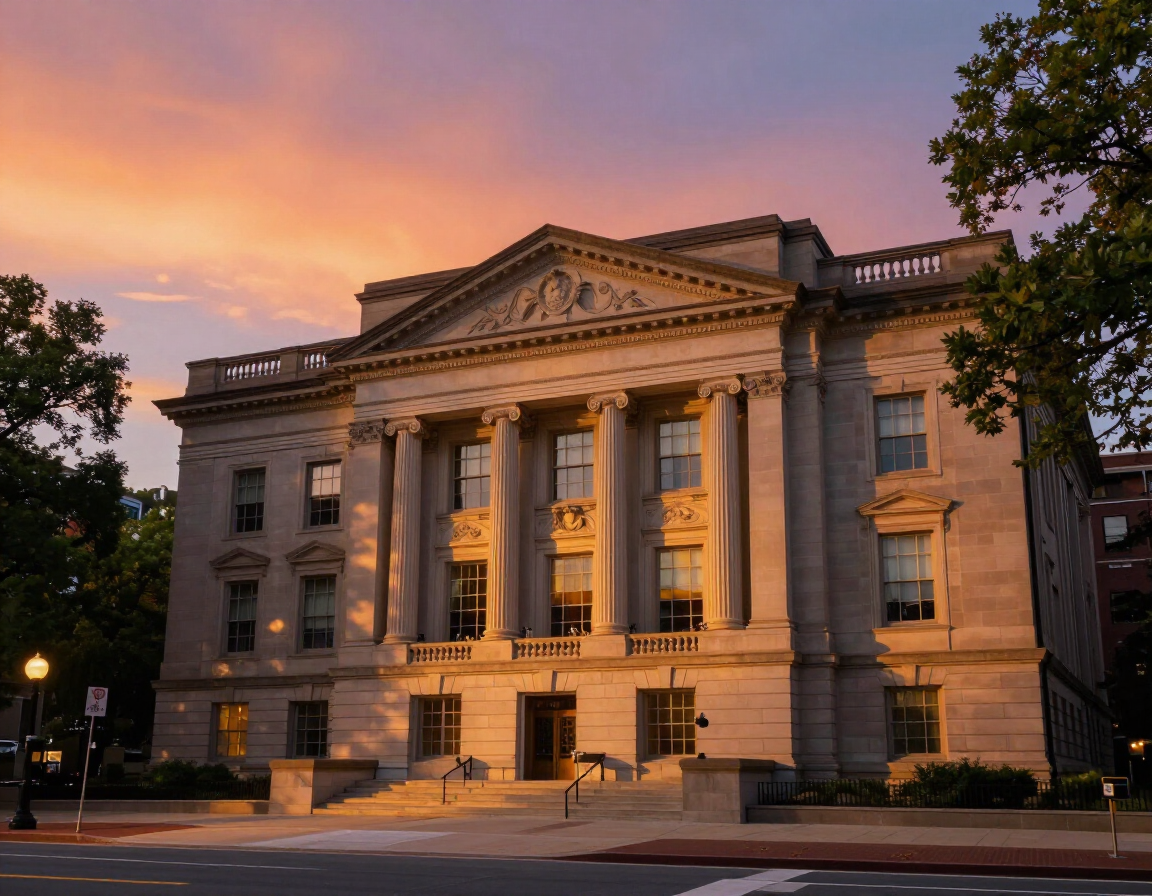
Howard University is a private research university and the nation's most prominent HBCU, with a legacy of producing leaders across law, medicine, arts, and government.
Enrollment: 9,800+ students Tuition: $30,036/yr Type: Private HBCU Setting: Urban
HISTORY & MISSION
Howard University was chartered by an Act of Congress in 1867, named after General Oliver Otis Howard, Commissioner of the Freedmen's Bureau. It has consistently ranked among the top HBCUs nationally and counts Thurgood Marshall, Kamala Harris, and Toni Morrison among its distinguished alumni. Its mission centers on the development of leaders for America and the global community. As a comprehensive research university, Howard's 13 schools and colleges offer more than 120 programs of study at the undergraduate, graduate, and professional levels.
ENROLLMENT & DEMOGRAPHICS
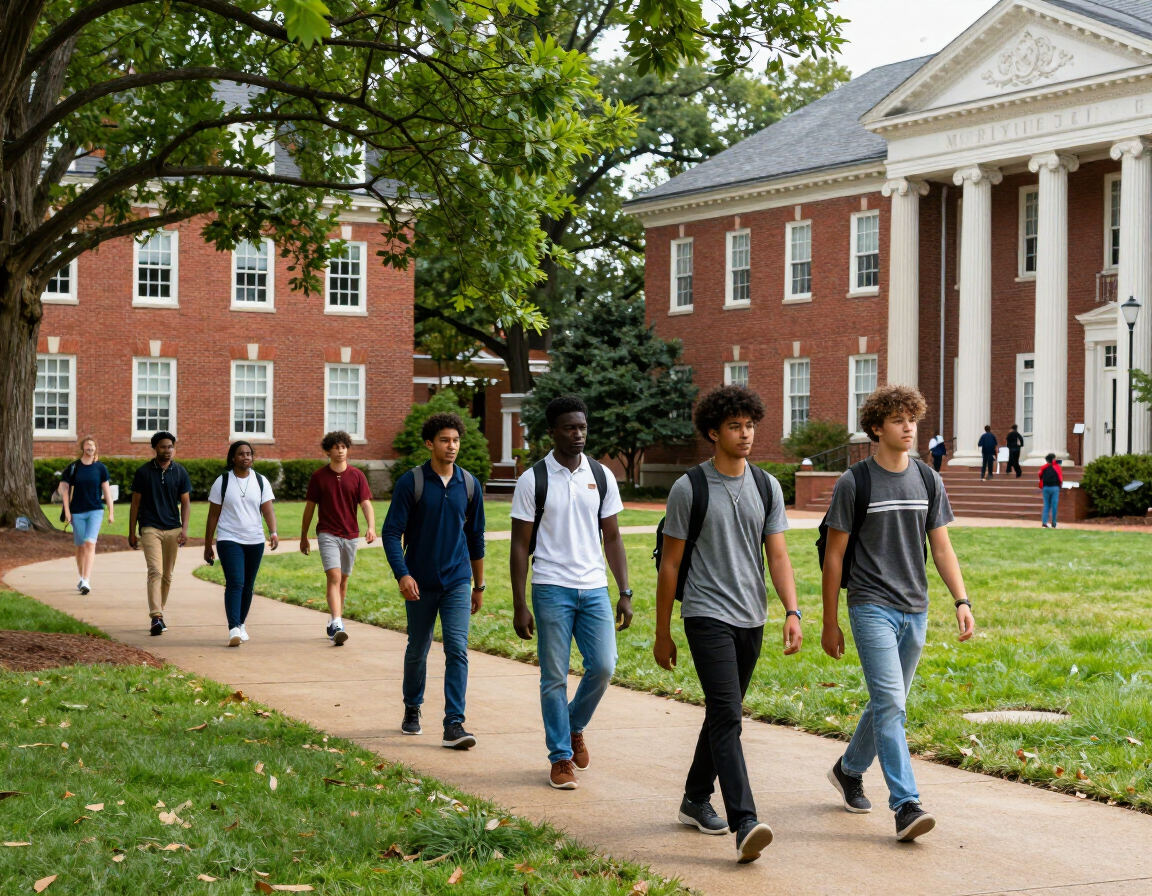
Total Enrollment: 9,800+ students. Undergraduate enrollment: approximately 6,400; Graduate and professional enrollment: 3,400+. Approximately 75% of students identify as Black or African American. Student-to-faculty ratio: 11:1. Students represent all 50 U.S. states and more than 70 countries worldwide. Howard's diverse academic community reflects its global mission and commitment to developing transformative leaders.
TUITION & FEES
| Cost Category | Amount (Annual) |
|---|---|
| Undergraduate Tuition | $30,036 |
| Room & Board | $16,612 |
| Fees | $2,180 |
| Total Cost of Attendance | $48,828 |
Figures reflect the current academic year. Financial aid, grants, and scholarships may significantly reduce your out-of-pocket cost.
DEGREES & PROGRAMS
Howard offers undergraduate, graduate, and professional degrees across 13 schools and colleges including the College of Arts & Sciences, School of Business, College of Engineering, Howard University School of Law, and College of Medicine. The university confers degrees in more than 120 areas of study, with particular strength in the humanities, sciences, and professional disciplines.
Popular degree areas include:
- Business Administration
- Communications
- Biology / Pre-Med
- Political Science
- Engineering
- Fine Arts
- Nursing
- Computer Science
ADMISSIONS REQUIREMENTS
Howard University is a selective institution with an acceptance rate of approximately 35-40%. Competitive applicants typically present a cumulative GPA of 3.0 or higher. Howard is test-optional for the 2024-2025 cycle. Early Action deadline: November 1. Regular Decision deadline: February 15. Required materials include official high school transcripts, a personal statement / essay, two letters of recommendation, and a completed application via the Common App or Howard's application portal.
ATHLETICS
Howard Bison compete in the NCAA Division I Coastal Athletic Association (CAA) Conference, fielding 21 varsity sports including football, basketball, track and field, tennis, soccer, swimming, and lacrosse. The program has produced numerous professional athletes across the NFL, NBA, and Olympic competition. Howard's marching band, "Showtime," is widely regarded as one of the most spectacular HBCU bands in the nation, performing at presidential inaugurations and major national events. The Bison football team competes annually in one of college football's most celebrated rivalries, the "The Real HU" game.
CONTACT INFORMATION
2400 Sixth Street NW, Washington, D.C. 20059
Your HBCU matches are being compiled! Check back shortly for your personalized ranked list. In the meantime, explore the full directory above.
AI-POWERED TOOL
FIND YOUR PERFECT HBCU
Answer a few questions about your goals, budget, and interests — our AI engine will rank the best-fit HBCUs for you from our full database of 100+ schools, with direct links to every profile.
Results are personalized suggestions based on your inputs. Always verify details directly with the institution.
FAQ
HBCU DIRECTORY — FREQUENTLY ASKED QUESTIONS
Everything you need to know about how the HBCU Now Directory works, how profiles are maintained, and how to use our AI finder.
What is an HBCU?
Historically Black Colleges and Universities (HBCUs) are institutions of higher education established prior to 1964 with the principal mission of educating Black Americans. There are currently 101 accredited HBCUs in the United States, spanning 19 states plus Washington D.C. and the U.S. Virgin Islands.
How are school profiles kept up to date?
Our editorial team reviews and updates each HBCU profile annually. Enrollment figures, tuition rates, and admissions requirements are sourced directly from each institution's official website and the Integrated Postsecondary Education Data System (IPEDS). Profiles may also be updated mid-year when institutions report significant changes.
How can I claim or correct my school's listing?
If you are an official representative of an HBCU and need to update or claim your institution's profile, please use the 'Submit News' feature or contact our editorial team via the About page. We verify all institutional representatives before granting editing access.
What is the difference between public and private HBCUs?
Public HBCUs are state-funded institutions that typically offer lower in-state tuition rates and larger enrollment. Private HBCUs are independently operated and may offer more financial aid flexibility. Both confer fully accredited degrees and hold the same HBCU designation under federal law.
How does the AI College Finder work?
The AI finder uses your inputs — major preferences, location, tuition budget, campus size, and extracurricular interests — to score and rank the 100+ HBCUs in our database. Results are weighted recommendations, not a formal admissions assessment. Always contact schools directly for official admissions guidance.
Can students apply to HBCUs directly through HBCU Now?
HBCU Now does not process applications directly. Each 'Apply Now' button on a school profile links to that institution's official admissions portal. Our Admissions hub at hbcunow.com/admissions provides guidance on requirements, FAFSA, and transfer pathways.